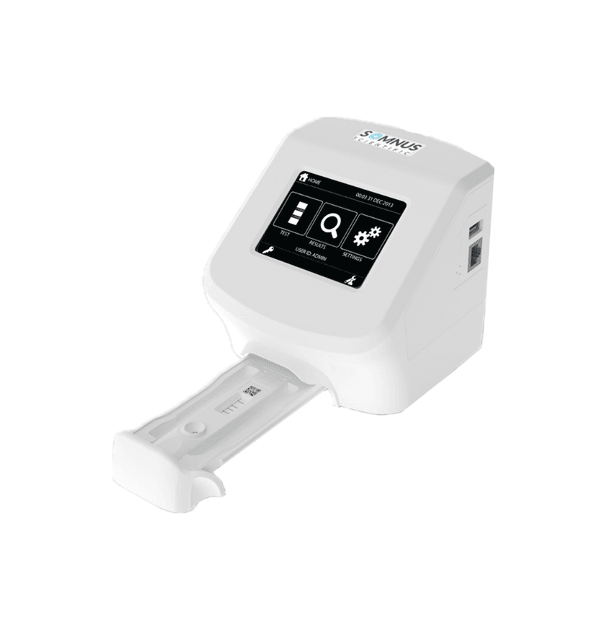


We have developed the world’s only real-time, point-of-care blood propofol monitor
20 million ICU patients are sedated with propofol every year. The drug has been used for 40 years. Yet there is still no way to measure blood propofol concentration at the bedside. This is about to change.





What is Propofol?
Propofol is an intravenous drug used worldwide to sedate patients in intensive care and during medical procedures.
In ICUs, it is often given continuously for days, with dose adjustments guided by sedation scores rather than direct measurement of the drug in the bloodstream.
Without knowing the blood concentration, small inaccuracies compound, leading to prolonged ventilation, delayed recovery, avoidable complications, and significant cost.
Propofol is also used for procedures such as colonoscopy. Here, the challenge is different: not just delivering the right dose, but knowing when blood levels have fallen enough for safe cognitive and motor recovery.
The recovery threshold is well defined in the literature. Yet today, clinicians have no bedside method to confirm it.
When a drug is used this widely, this frequently, and this continuously, measurement is not optional, it is essential.
A Global Blind Spot
The cost of not measuring, is more than financial.
A single missing measurement has real implications
Real Savings
ICU costs are dominated by time: days on a ventilator, days in a critical care bed. Even small reductions in length of stay generate disproportionate savings, because the ICU bed is the most expensive in the hospital. Precision sedation targets exactly these cost drivers.
Direct Clinical Impact
Over-sedation is a modifiable risk factor for the two most damaging ICU complications: delirium, experienced by up to 80% of ventilated patients, and ventilator-associated pneumonia, the most common hospital-acquired infection in ventilated patients. Both extend ventilation, extend stay, and worsen outcomes long after discharge.
Preventable Cost
These complications are not inevitable. They are, in part, the consequence of dosing a powerful drug without measuring it. Measurement enables lighter, personalised sedation, and lighter sedation is associated with shorter ventilation, fewer complications, and faster recovery.
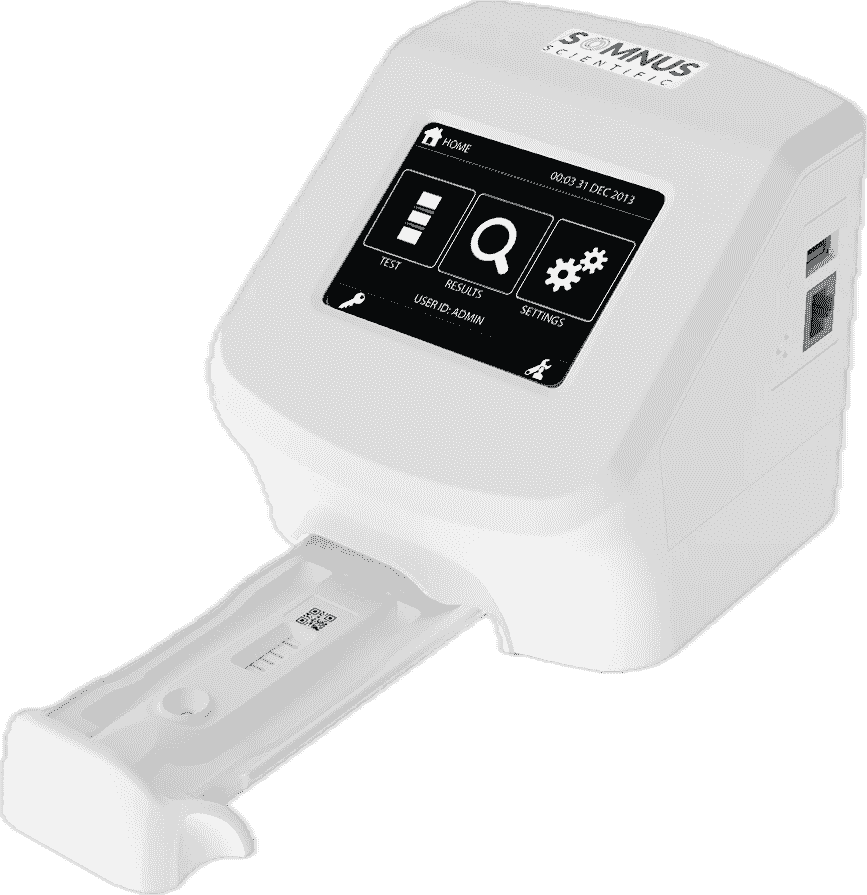
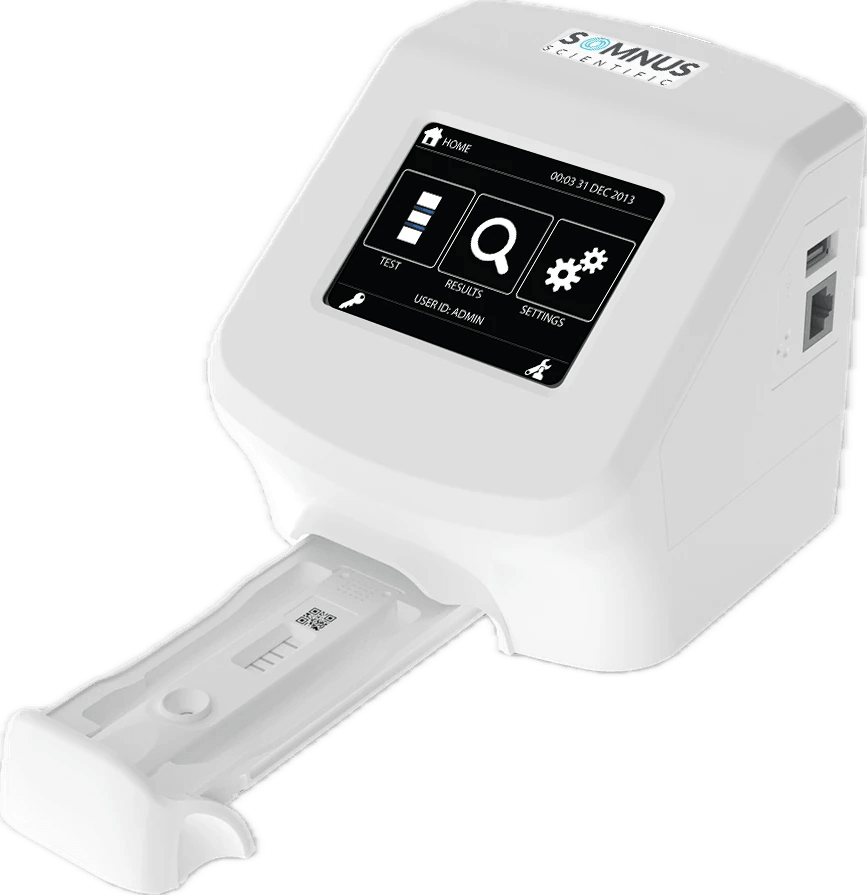
ProSed®: Point-of-Care Propofol Monitoring
Bedside Immunoassay
Single-use test cartridge
Just one drop of blood required
Fully quantitative result in minutes
Fits seamlessly into ICU and procedural workflows
Enables personalised, optimised sedation
In development | Target launch ~2030ProTIVA™ builds on the ProSed® platform by delivering real-time, continuous propofol measurement during total intravenous anaesthesia (TIVA).
Supported by patients and by ICU Leaders
Professor David Menon
Consultant, Neuro/Trauma Critical Care Unit, Addenbrooke’s Hospital, Cambridge, UK
"I think that ProSed® will be a very valuable device, with clear application in both anaesthesia and critical care"
Dr Connor Brown
Anaesthetist and intensive care doctor, London, UK
“Point-of-care propofol levels will be a gamechanger in intensive care and theatres"
ICU Survivor
Patient member of ICUSteps (ICU Charity)
“The delirium was terrible. I saw babies floating around me. There was a fire. I couldn’t help”
Contact Us
Somnus Scientific Limited
Future Space UWE North Gate,
Filton Road,
Bristol
BS34 8RB





Important Investment Information
This website contains information about Somnus Scientific Limited that is directed exclusively at professional investors.
In the United Kingdom, this information is intended only for investment professionals and high net worth entities within the meaning of the Financial Services and Markets Act 2000 (Financial Promotion) Order 2005 (as amended), or other persons to whom it may lawfully be communicated.
In the United States, any investment-related information is intended solely for persons who qualify as “Accredited Investors” under Regulation D of the Securities Act of 1933.
Nothing on this website constitutes an offer to sell or a solicitation of an offer to buy any securities. Any investment will be made only on the basis of formal investment documentation provided separately.
Investments in early-stage medical technology companies are high risk. Capital is at risk and investors may lose some or all of their investment. Prospective investors should seek independent professional advice before making any investment decision.